Travel Inspo: Copenhagen Designed for Joy
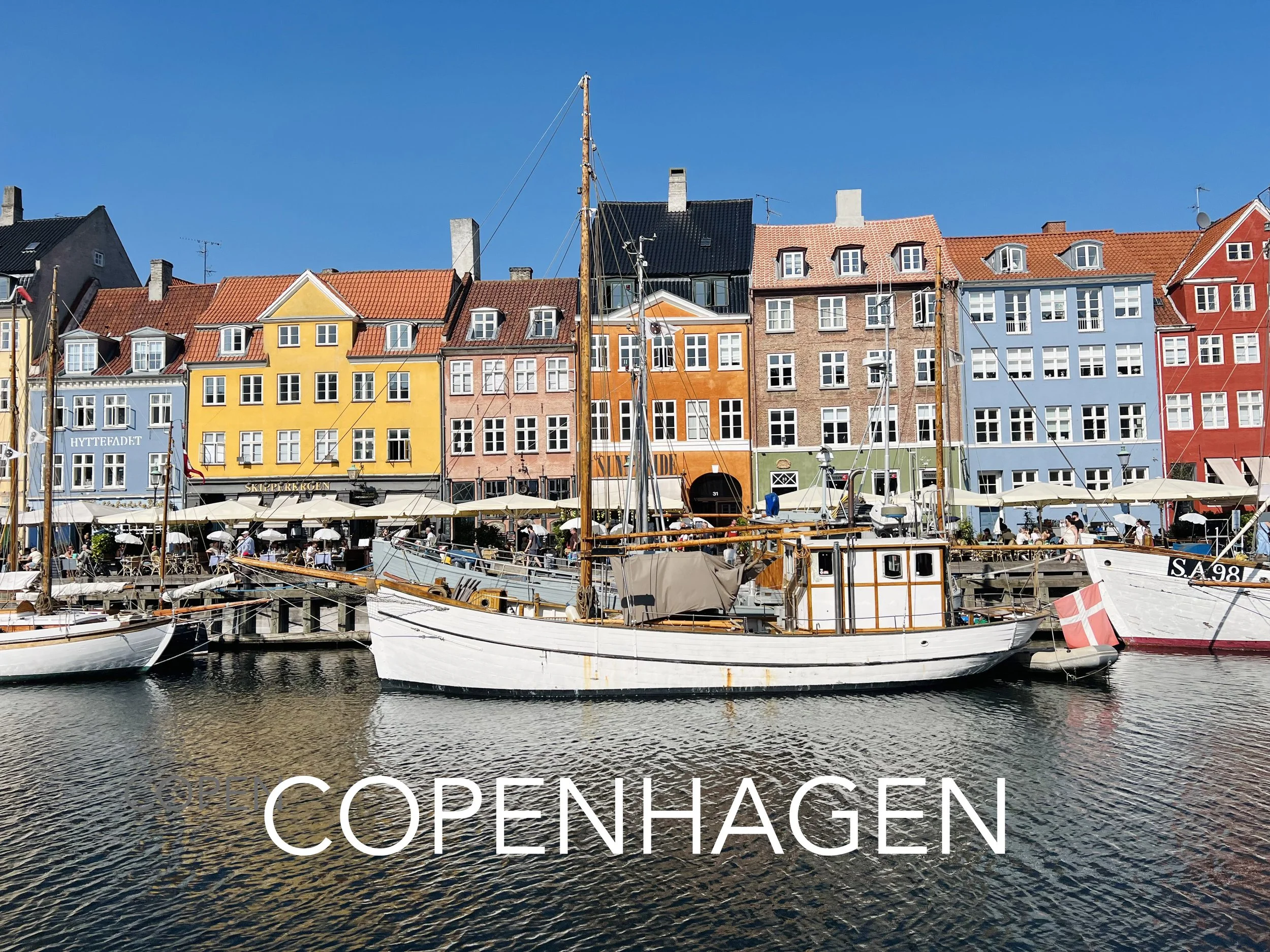
Along the Nyhavn canal
Named Happiest City in the World for 2025, Copenhagen earns it. Walking the canals, neighborhoods, and public spaces, I noticed how the city slows you down, invites attention, and somehow makes everything feel balanced and thoughtful.
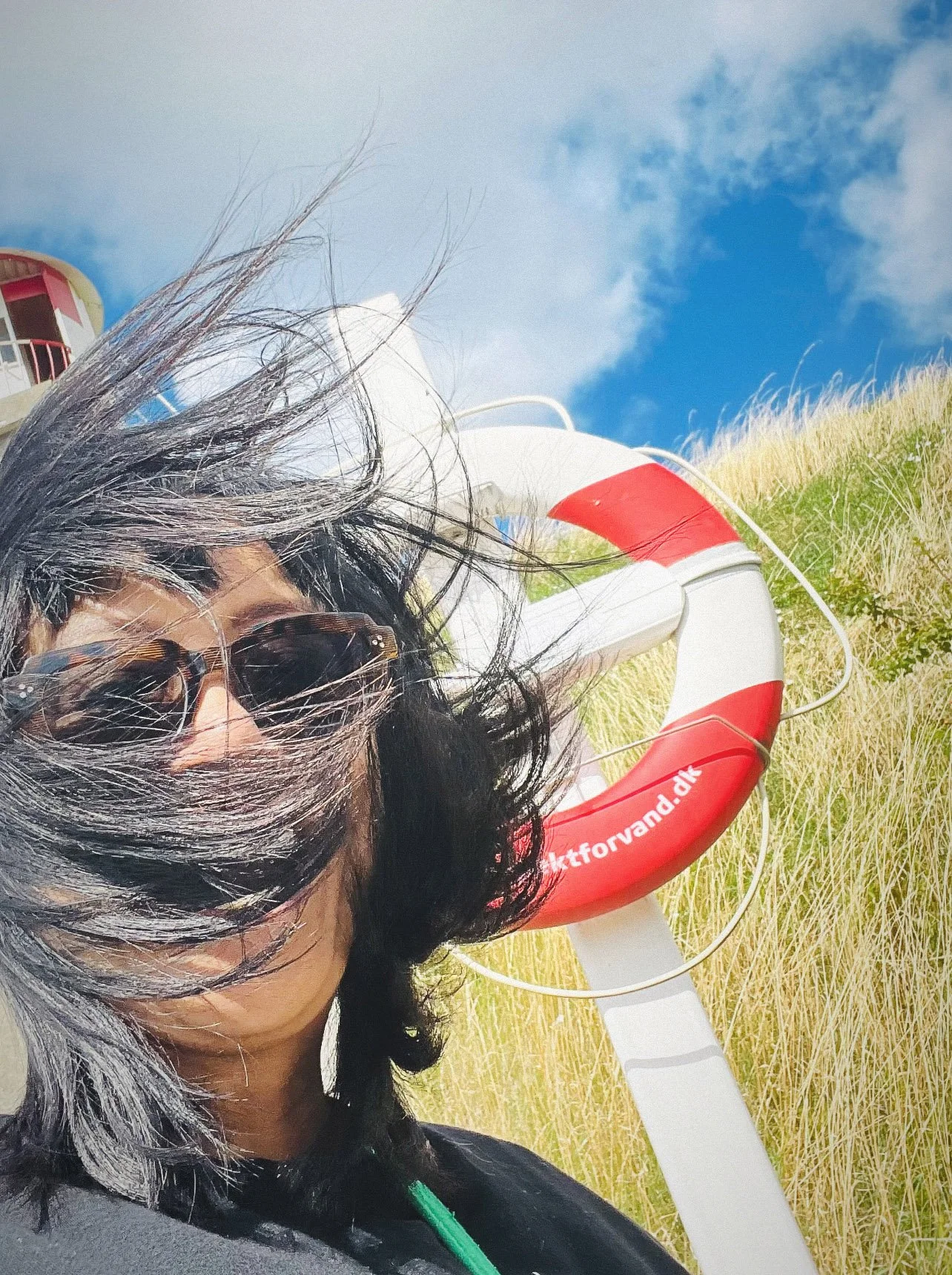
Me. Happy in Copenhagen.
10 things Copenhagen gets right about living well
10. Danish design everywhere
Minimal, warm, functional, and beautiful. Danish design is part of daily life in Copenhagen, from sculptural chairs treated like art to modern buildings reflecting on the water. Everything feels considered in light, scale, proportion, and material and it reminded me how much form shapes feeling in my own work.
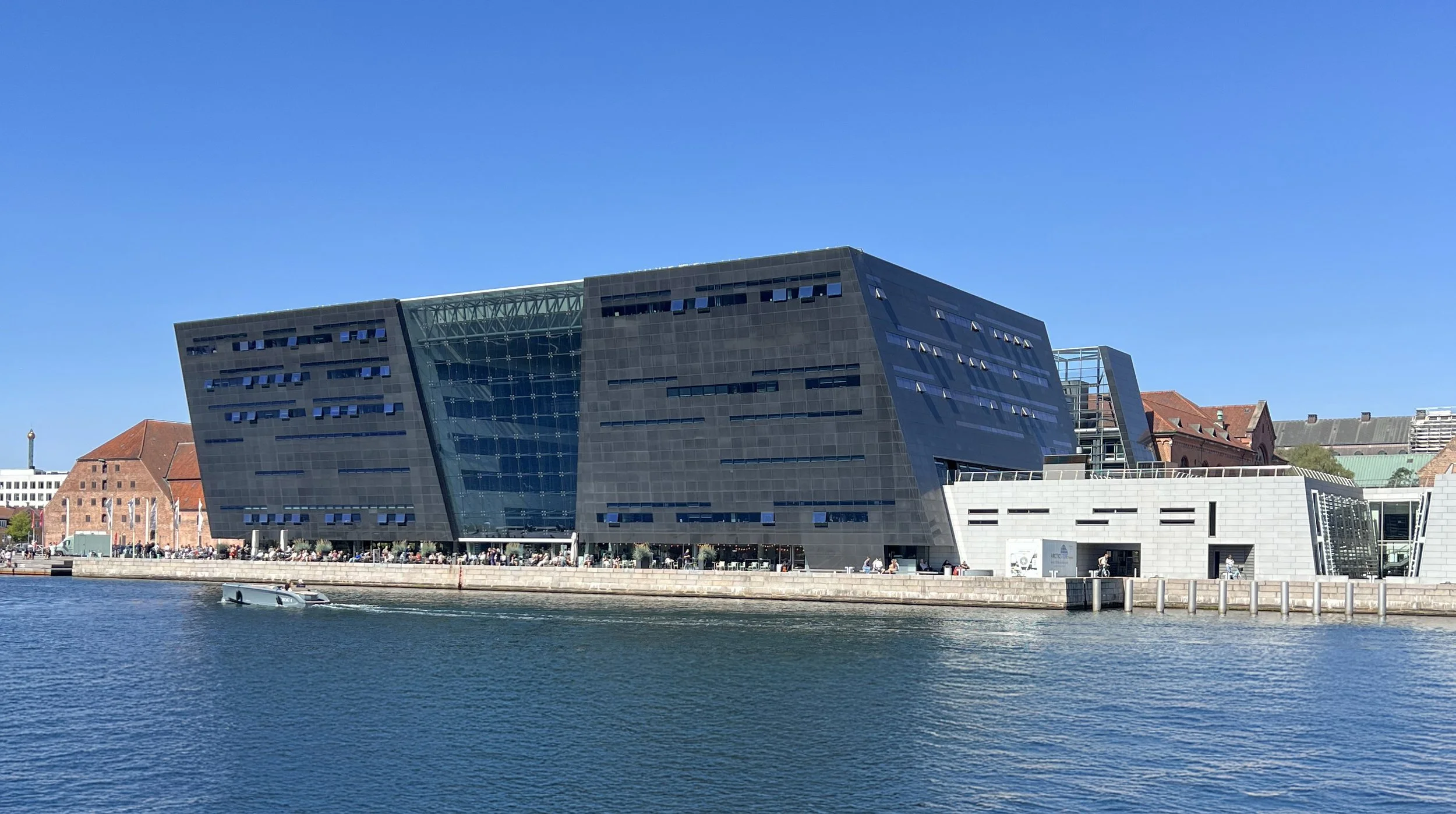
The Royal Danish Library’s Black Diamond. Modern edges, reflective calm on the harbor.
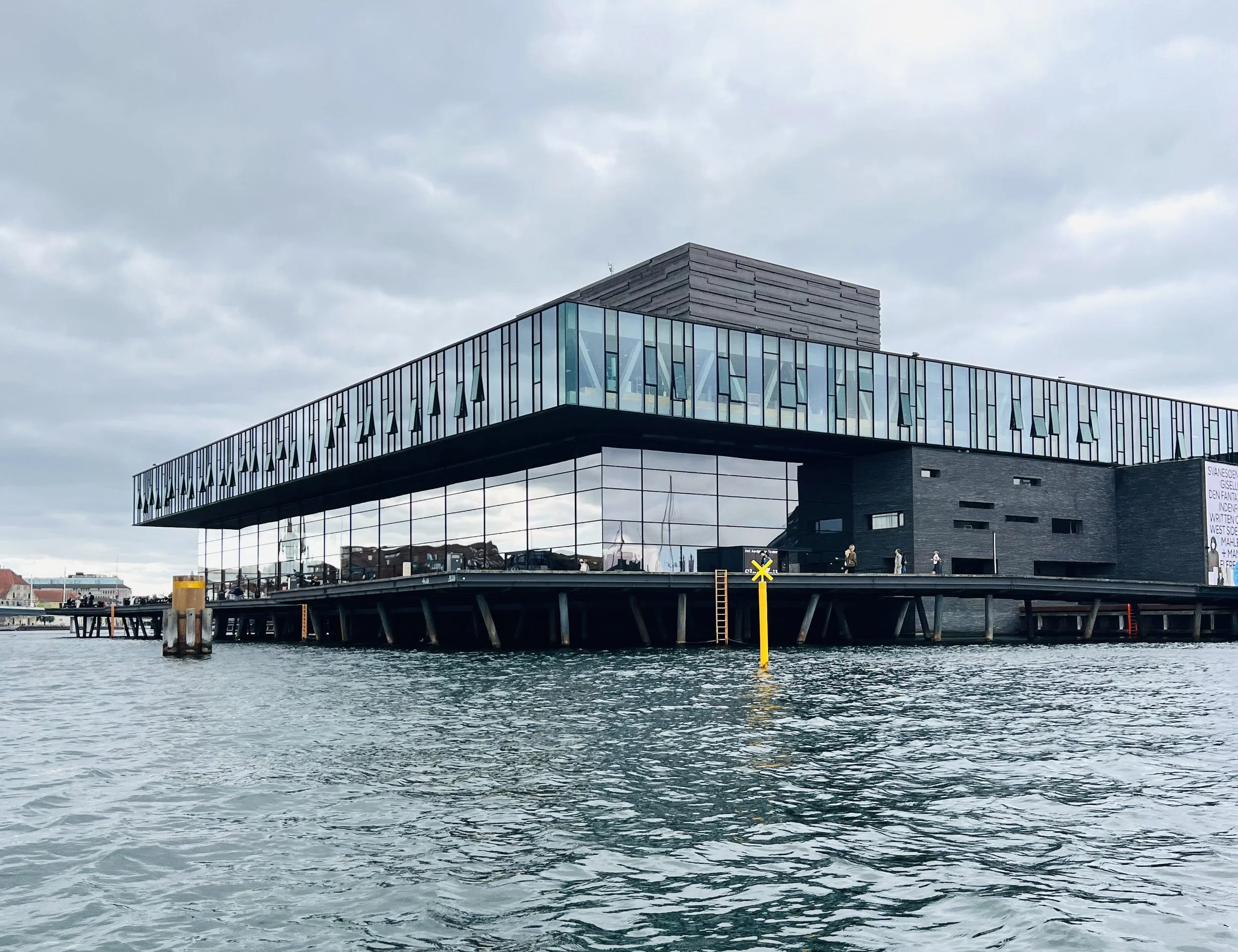
Passing the Royal Danish Playhouse by boat.
9. A city built for bikes (and humans)
Cyclists glide through the streets without stress or chaos. Wide bike lanes and friendly systems make moving around feel easy and joyful. When getting around is simple and sustainable, people feel more at ease. Copenhagen finds that kind of balance.
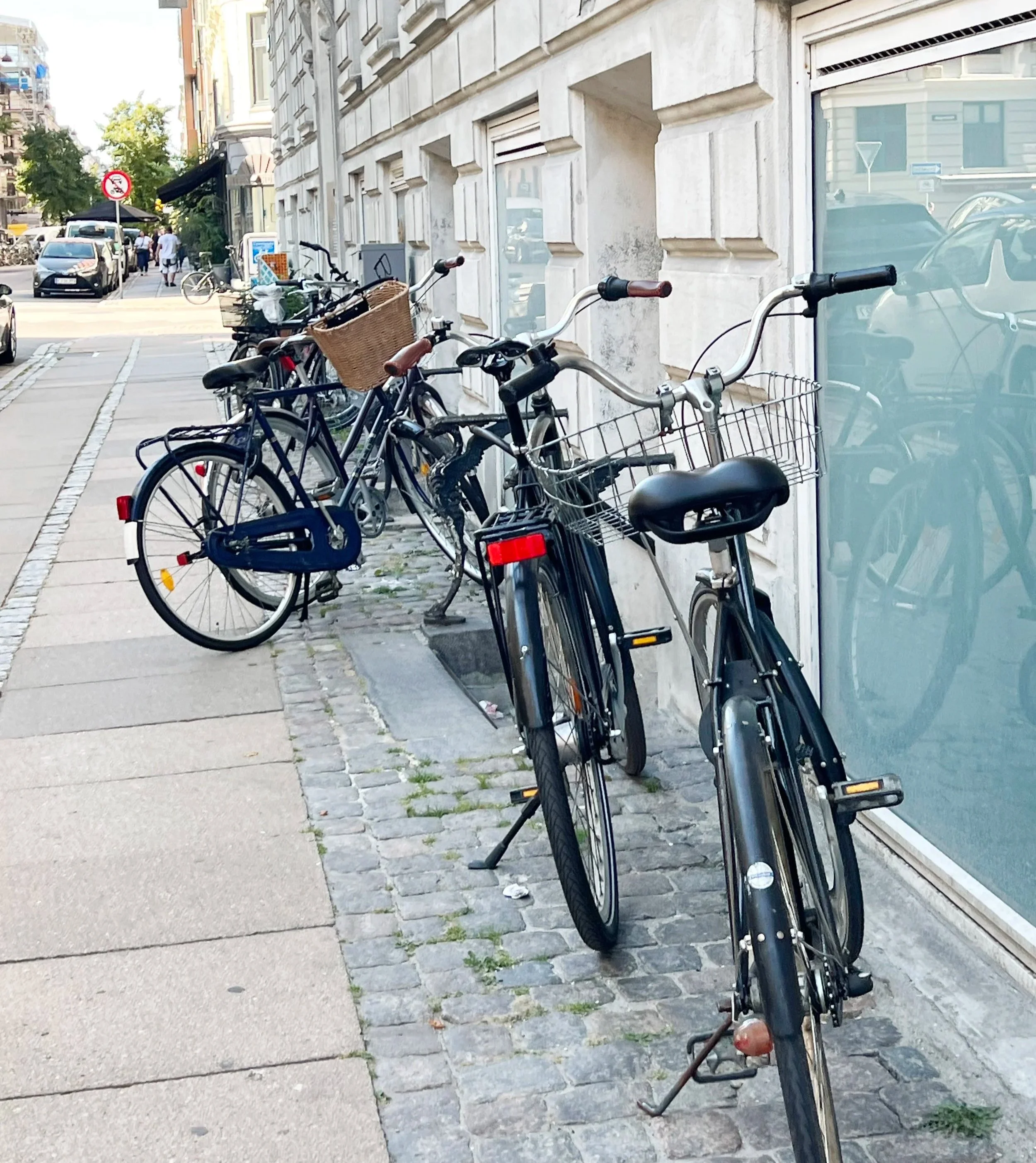
Copenhagen, by bike.
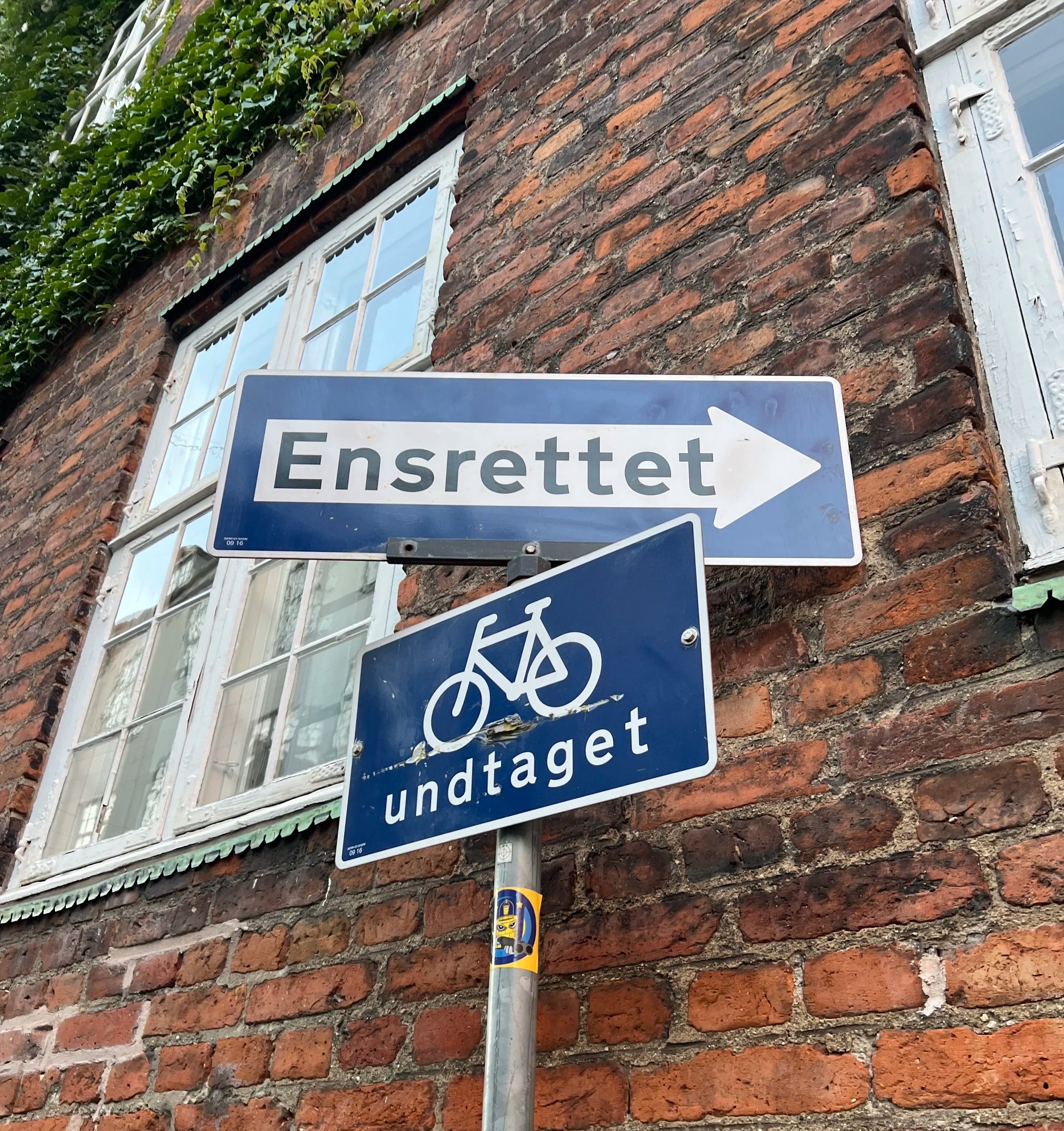
One-way street, except for bicycles.
8. A culinary scene that delivers on its reputation
Copenhagen is known for its food culture, and it absolutely lives up to the hype. Whether it’s a beautifully composed dish that looks like a painting or a golden, sugar-dusted pastry that’s genuinely life-changing, food here is treated as craft. Slow dining, seasonal ingredients, and creativity at every turn give the city a real sense of abundance and pleasure.
I ate at Barr and at Fiskebaren. I LOVE seafood, and enjoying it here, with water all around, gave both meals a freshness and sense of place that really stood out. The experience was as visually beautiful as it was delicious.
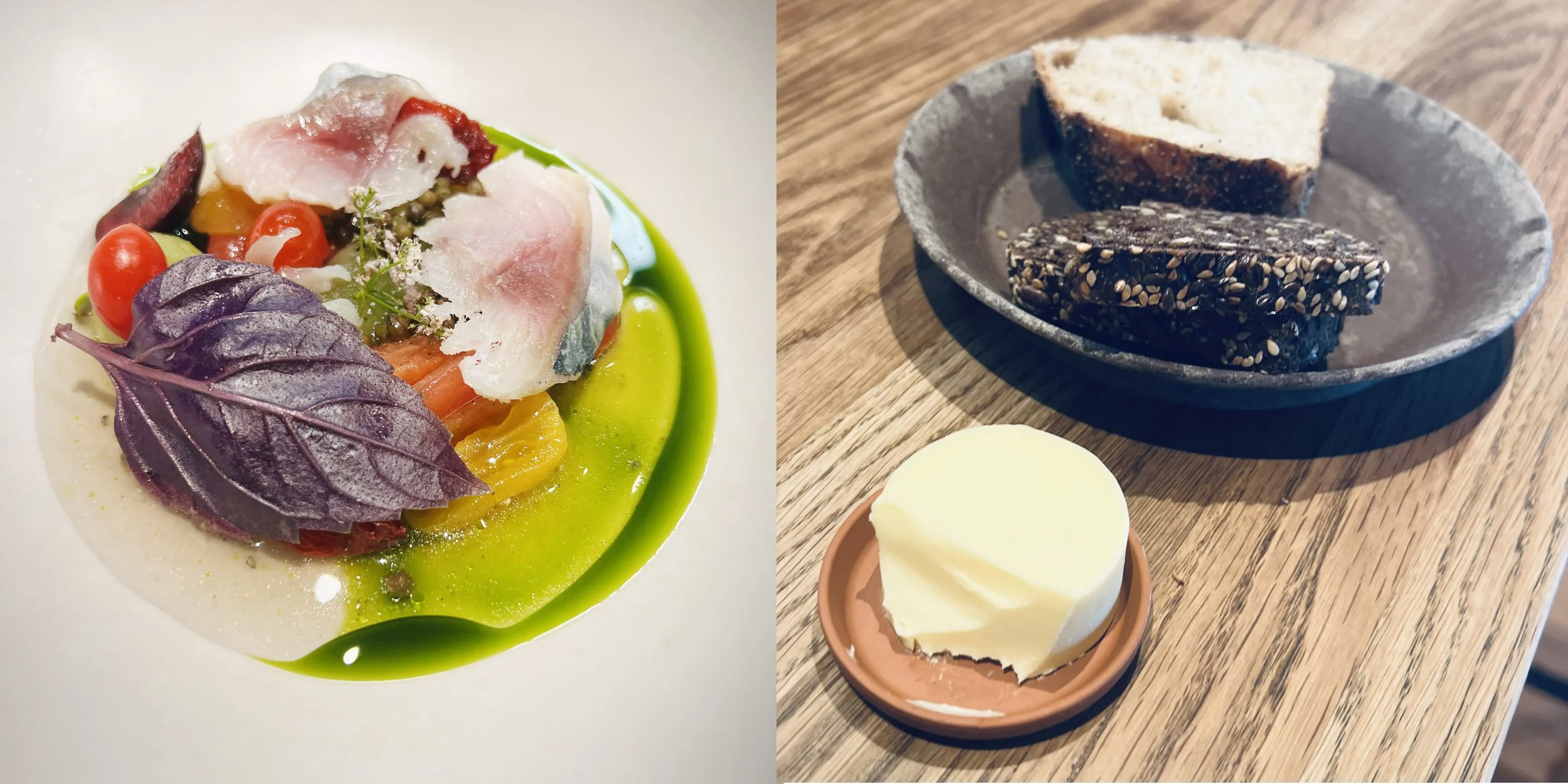
Dinner at Barr, watching the kitchen at work. Thoughtful plating, fresh bread and classic Danish rugbrød.

Fiskebaren is a modern seafood restaurant in Copenhagen’s Meatpacking District, known for impeccably fresh fish, minimalist presentation, and a relaxed yet refined atmosphere that lets the ingredients shine.
7. “Hedonistic Sustainability” in action
The energy plant with a ski slope on its roof says it all. Sustainability can be fun, playful, and deeply woven into everyday life. CopenHill is the clearest example, but the philosophy runs throughout the city, designing systems that are good for the planet and enjoyable for people.
It’s optimism expressed through infrastructure.

CopenHill, Copenhagen
6. Hygge as a way of living
Hygge shows up in textures, lighting, materials, and intentional coziness, but at its core it is a mindset rooted in warmth, presence, and savoring life’s quieter moments. Copenhagen feels wrapped in Hygge through its soft interiors, intimate spaces, and overall sense of ease.
If you want to explore the concept more deeply, The Year of Living Danishly by Helen Russell is a wonderful and funny look into how Danes weave comfort and contentment into everyday life.
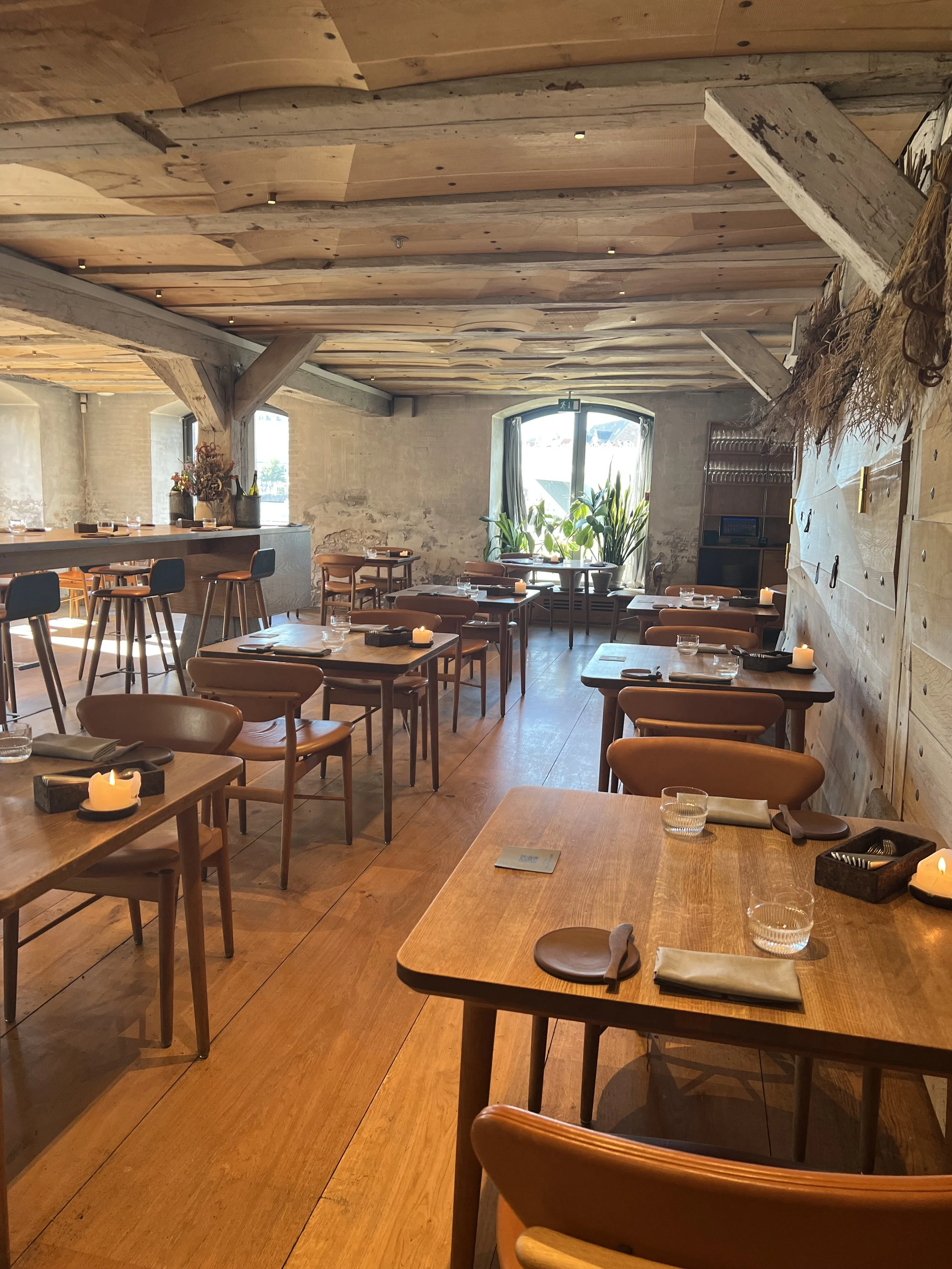
Barr’s interior says it all. Candles, natural materials, and beautifully minimal.
5. Public Art with a point of view
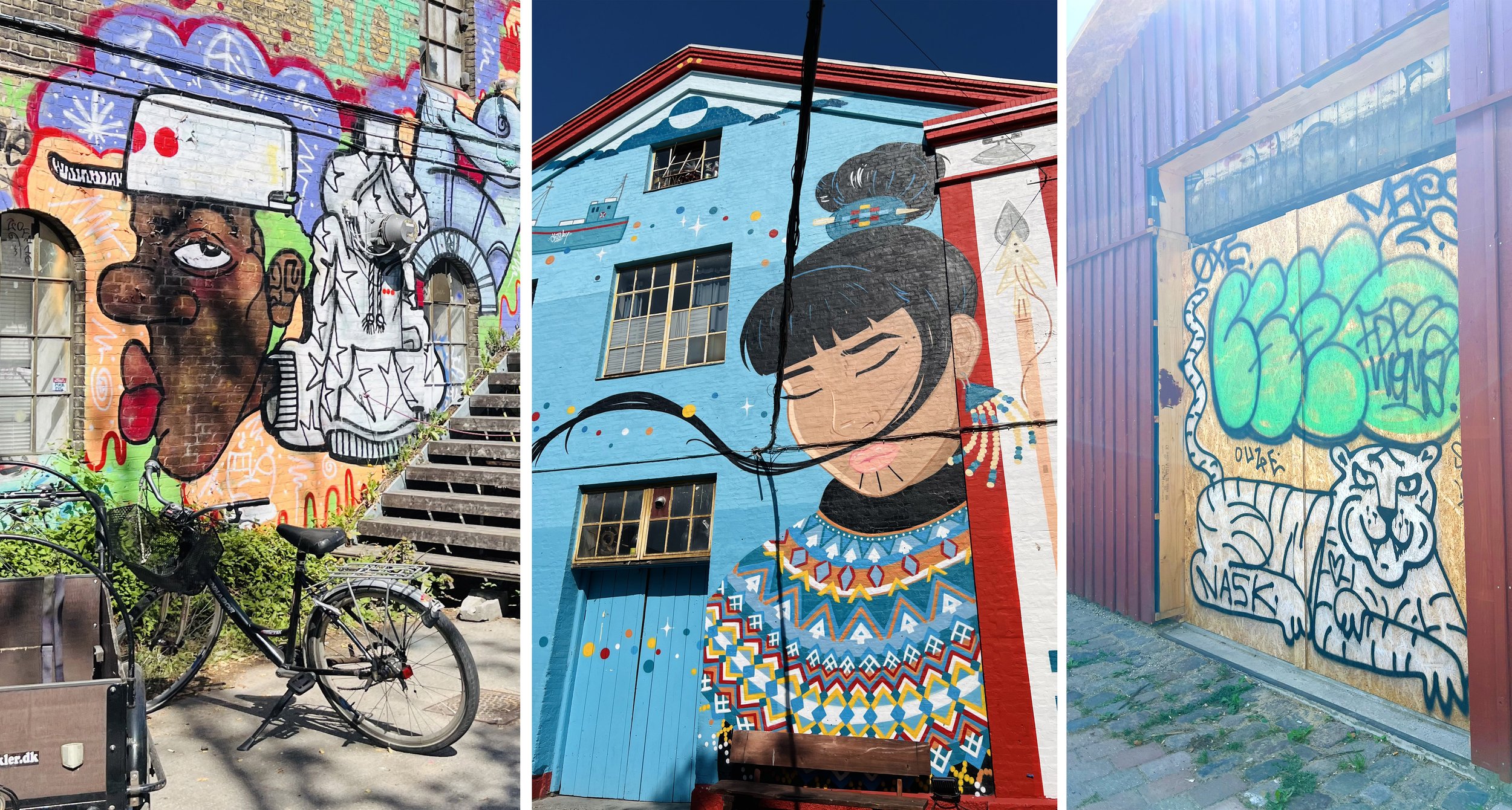
Copenhagen’s public art carries ideas, questions, and cultural commentary. You see it in community-rooted murals, conceptual sculptures, and pieces that invite you to pause and think.
Christiania captures this most intensely. It is a neighborhood defined by freedom, creativity, and alternative ideals. Its murals and graffiti feel raw, expressive, and deeply tied to its identity. (A bit touristy, but still a must visit.) Plus, I scored a sweet pair of boots at a vintage shop called 2nd to the Right that I’ll keep forever.

A day wandering Christiania with friends.
Then there’s the more formal protest work, like Jens Galschiøt’s Fuck Q-Park sculpture, a bold middle finger raised against a proposed underground parking garage. It’s provocative, intentional, and a reminder that public space belongs to the public.

Jens Galschiøt’s Fuck Q-Park sculpture
4. Abundant green space
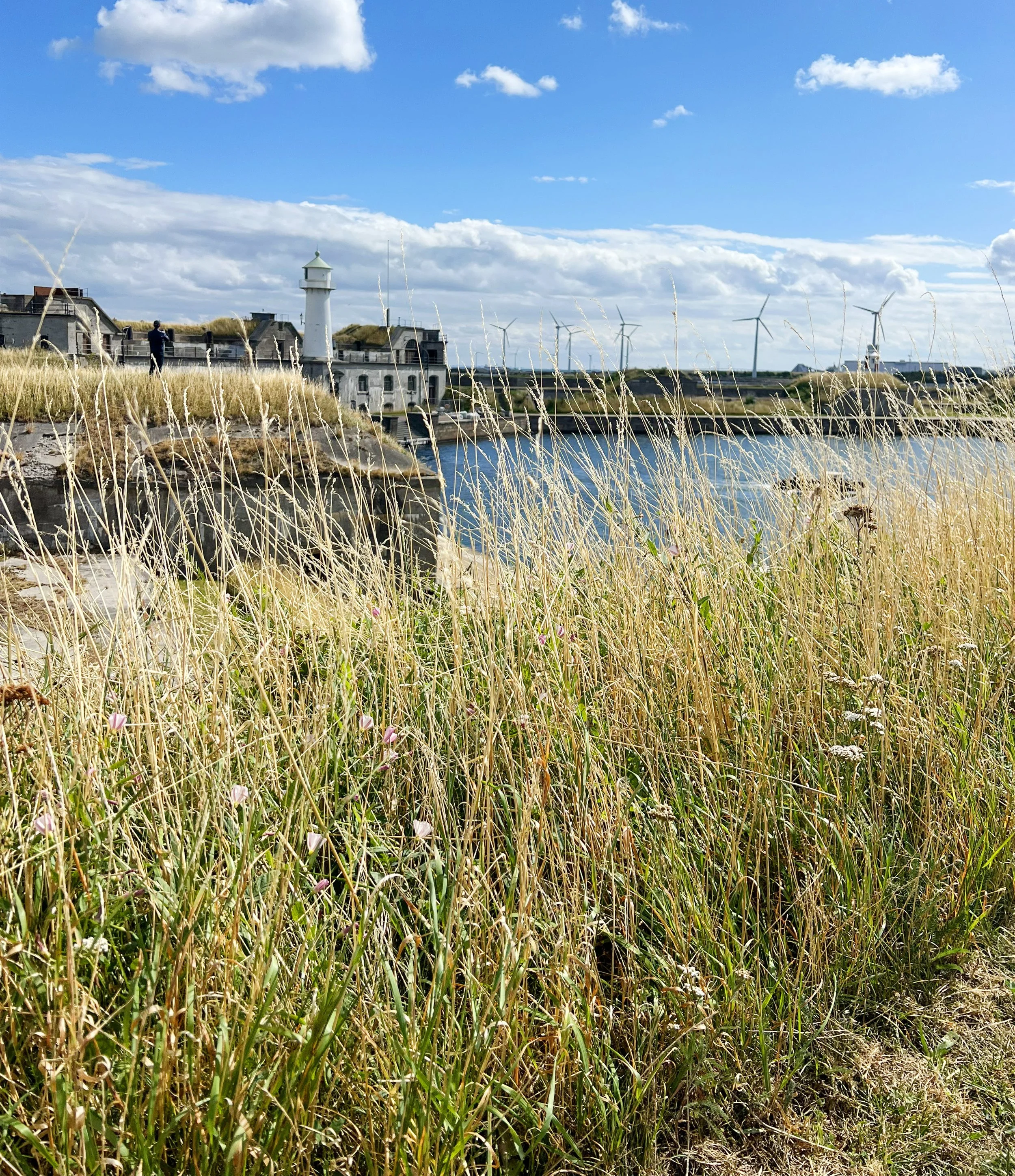
Grassy parks, wild meadows, and shady walking paths make nature accessible and central to daily life in Copenhagen. People picnic, nap, read, gather, or simply exist in these pockets of calm, taking full advantage of summer’s warmth and long days, knowing fall and winter aren’t far behind.
The wild meadows stood out to me, especially coming from Phoenix. Those tall, softly colored fields felt like such a refreshing contrast to home.
And the weather is truly an experience. In one week, I literally lived through all four seasons, each shift making the green spaces feel even more alive. (Was wishing I brought warmer clothes.)
It’s easy to see why these spaces are so central to daily life.
3. Art museums abound
Copenhagen has an impressive range of museums, from classical sculpture and historic collections to contemporary art, design, and architecture, with plenty in between. There are over 100 museums across the city. The two I visited were a perfect contrast, from the Glyptotek’s Gauguin paintings and serene spaces to the National Museum of Denmark’s rich historical focus.
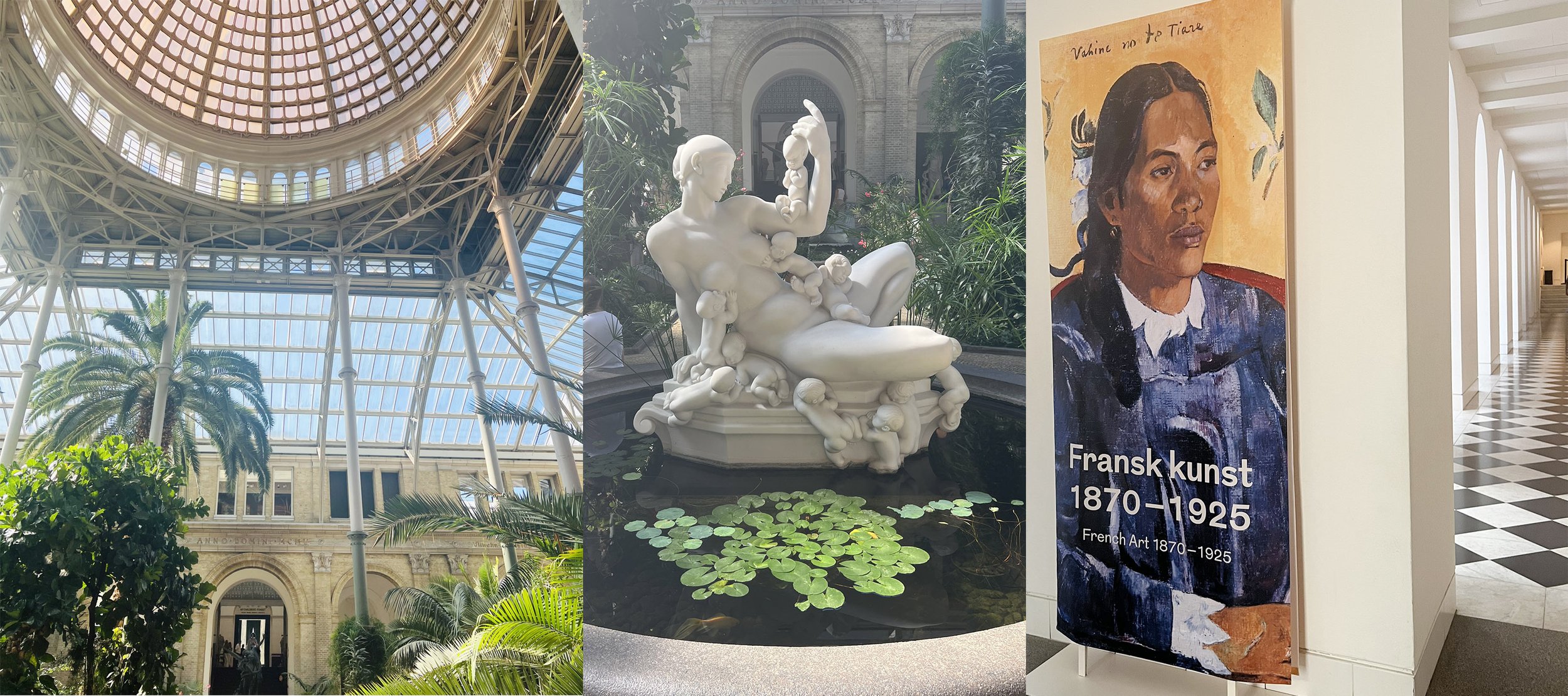
Glyptoteket Museum
The Glyptotek was a highlight. The winter garden and big galleries give it a calm, open feel, and the Gauguin exhibition really stuck with me. A lot of the work was new to me, full of color, emotion, and story, and it made the visit feel inspiring. I didn’t make it to Designmuseum Danmark because of group logistics, so I have a good reason to come back (soon).
2. Public spaces that bring people together
Boardwalks buzzing with swimmers, sunbathers stretched along the canals, friends sharing coffee and conversation. People don’t just pass through Copenhagen’s public spaces, they settle in. The city creates places that invite people to stay, and they fill them with life.
We loved eating and lingering at Broens Street Food, right by the water, where locals and visitors gather around long communal tables. Smørrebrød, the classic Danish open faced sandwich, is a staple here and shows up in endless variations, layered with fresh seafood, meats, and simple, thoughtful toppings. Alongside it were tacos, burgers, pastries, and plenty of other options that made it easy to stay awhile. It felt casual, social, and very Copenhagen.
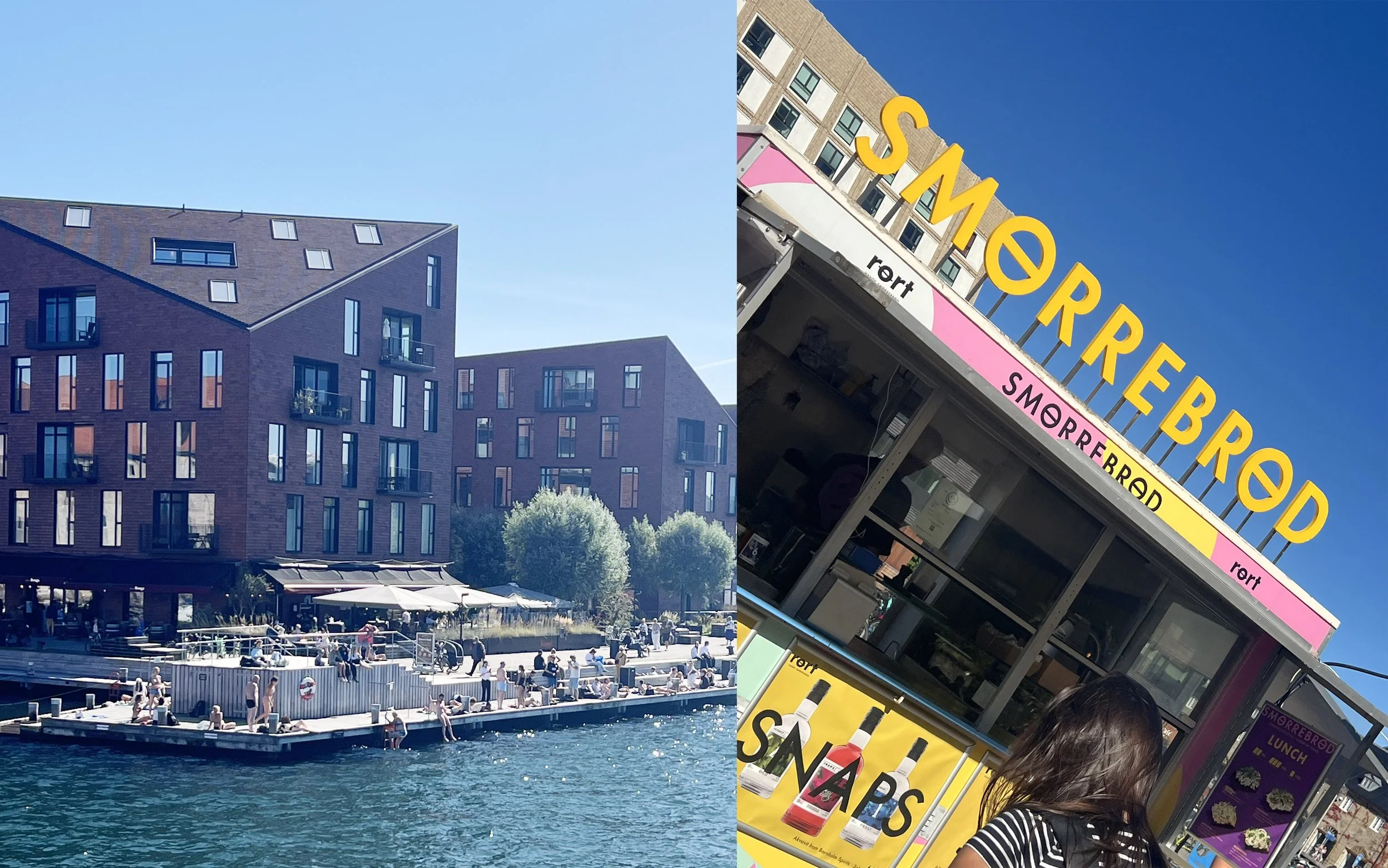
Broens Street Food
Reffen took that same energy and scaled it up. Set in a former industrial area across the harbor, it is one of the largest street food markets in Northern Europe, with dozens of vendors, global flavors, creative cocktails, and lots of room to sit, wander, and linger.
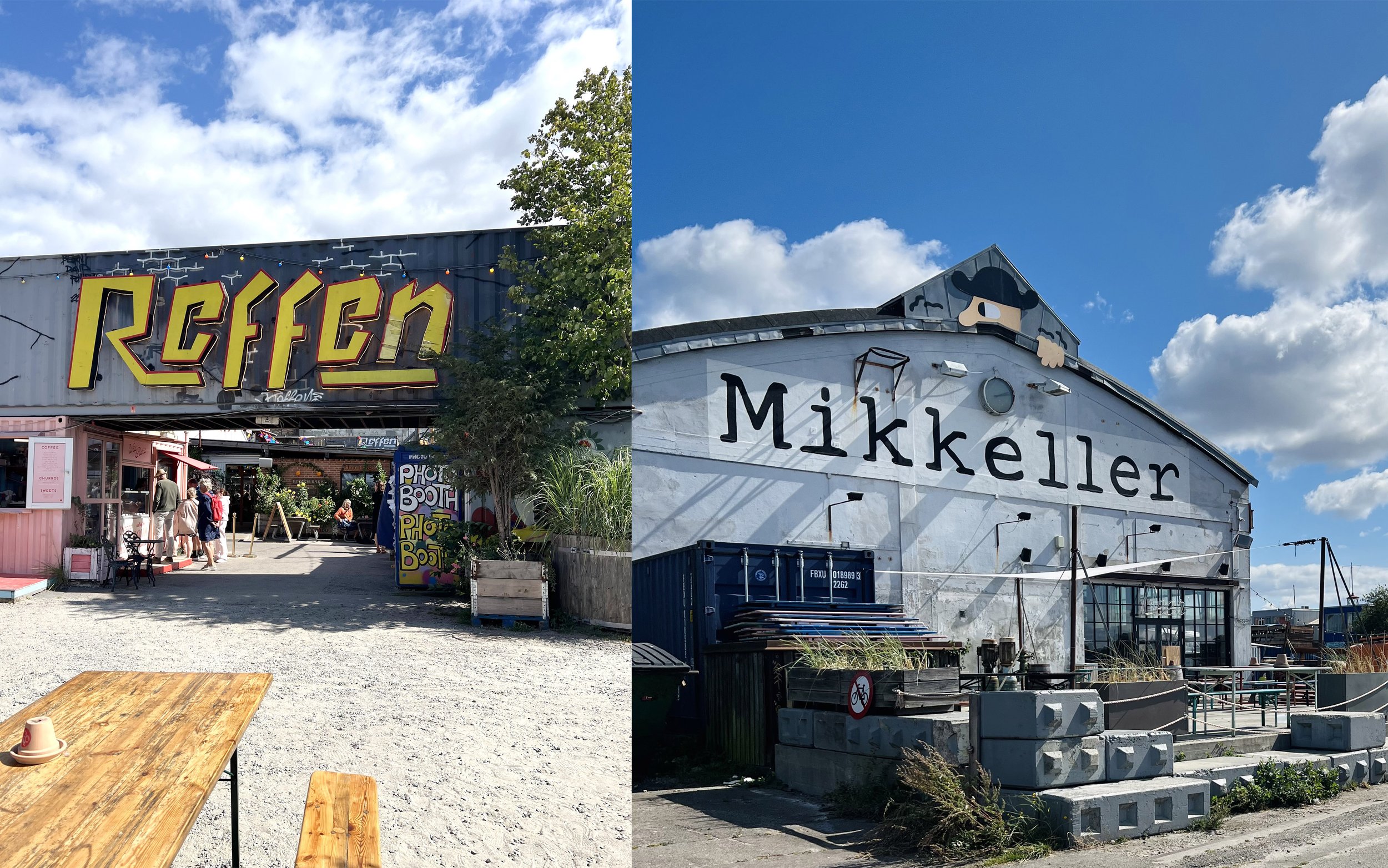
Reffen, Copenhagen. Food stalls, open air, and an easygoing creative energy.
Closer to our hotel was Torvehallerne, a glass covered market filled with local vendors, bakeries, coffee counters, and specialty shops. We popped in almost daily for easy provisions, morning or night, and loved how local it felt. Together, these places made it clear that in Copenhagen, food is not just about eating, it is about slowing down and spending time together.
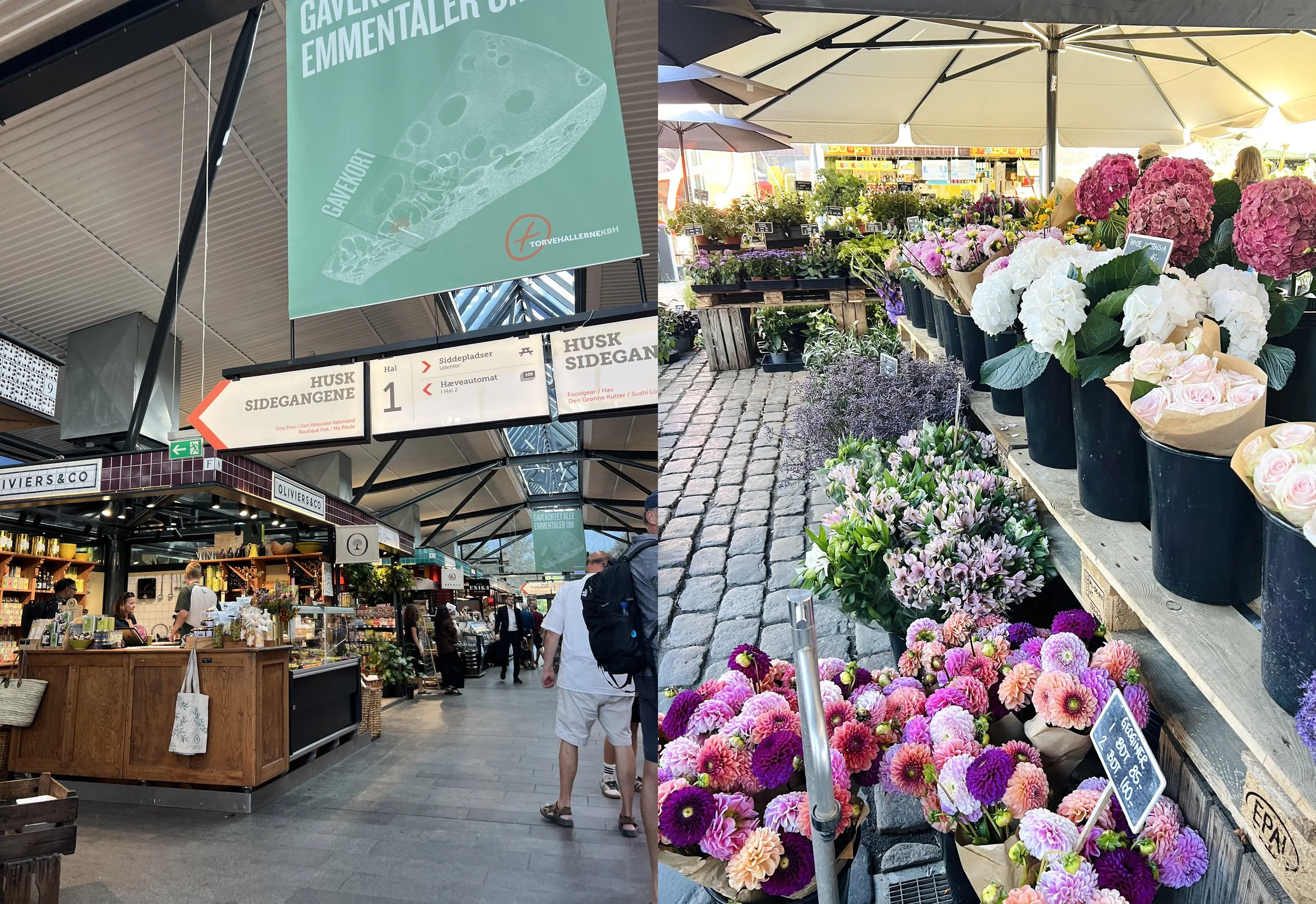
Torvehallerne
1. Work–life balance that actually exists
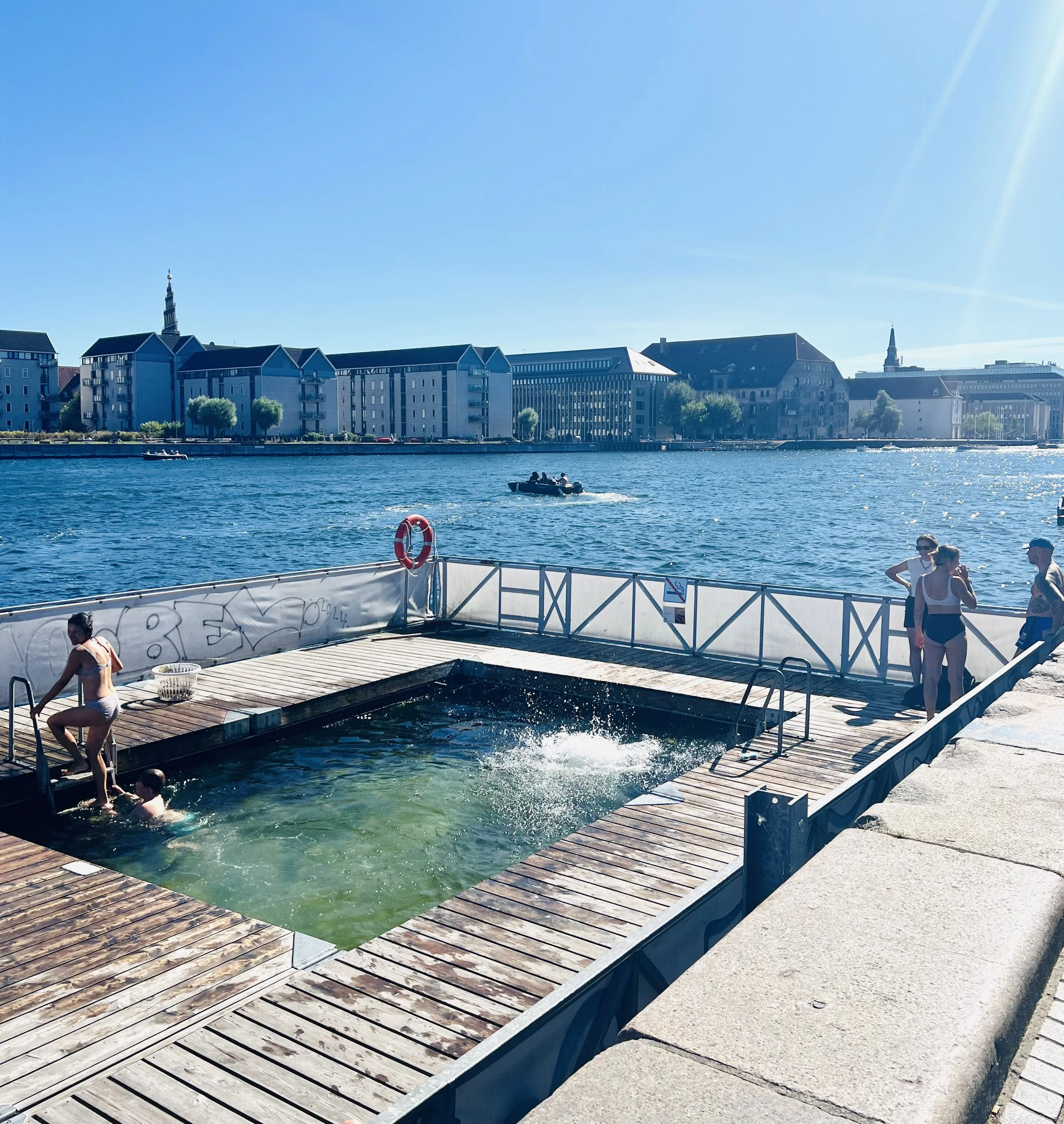
This doesn’t feel like a buzzword or a trend. Copenhagen genuinely lives it, and I felt that almost immediately. One of our favorite ways to unplug and connect was a visit to CopenHot, a floating harbor spa with wood-fired hot tubs, saunas, and cold plunges set right on the water. Soaking outdoors in the cold felt completely new, moving between heat and chill as boats passed by. For someone from Phoenix, it was a fresh kind of thrill.
It was the perfect way to end the day after exploring the city by boat. The weather had turned cold, with overcast skies and wind. Brrrr. A hot soak was ah-mazing.
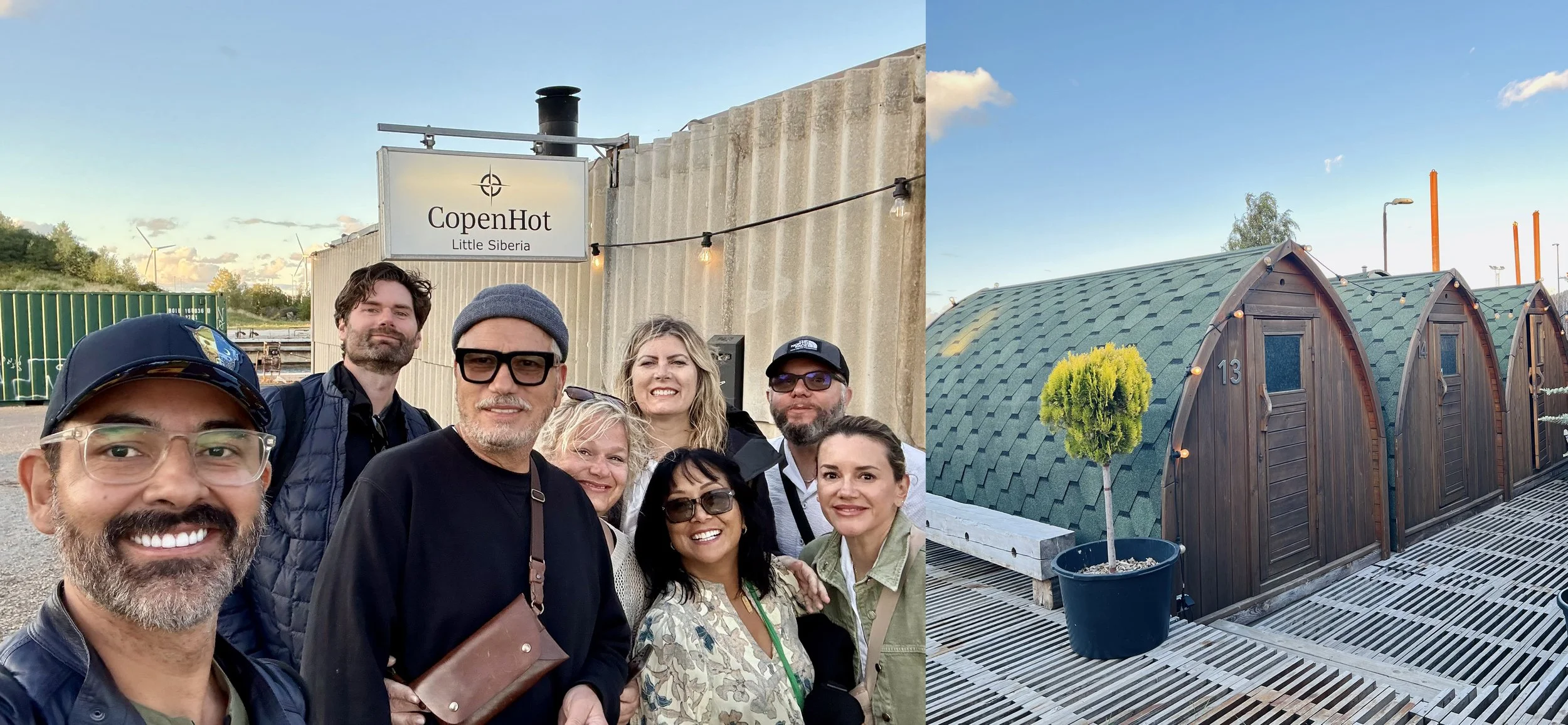
The Copenhagen Crew
Why Copenhagen feels so happy
Happiness here isn’t accidental. It’s designed, nurtured, and woven into the culture — from architecture and mobility to food, nature, and human connection.
Because my work is shaped by place and observation, I left inspired by Copenhagen’s people-first approach, where quality of life is something the city actively creates.
Work inspired by Øresund Strait
I’ve always loved water, the way it shifts and holds color. Lykke was inspired by the deep, moody waters around Copenhagen. I’m still designing a wooden base, but even as it stands, the piece captures the quiet pull and rhythm of the strait (and canals) that stayed with me.
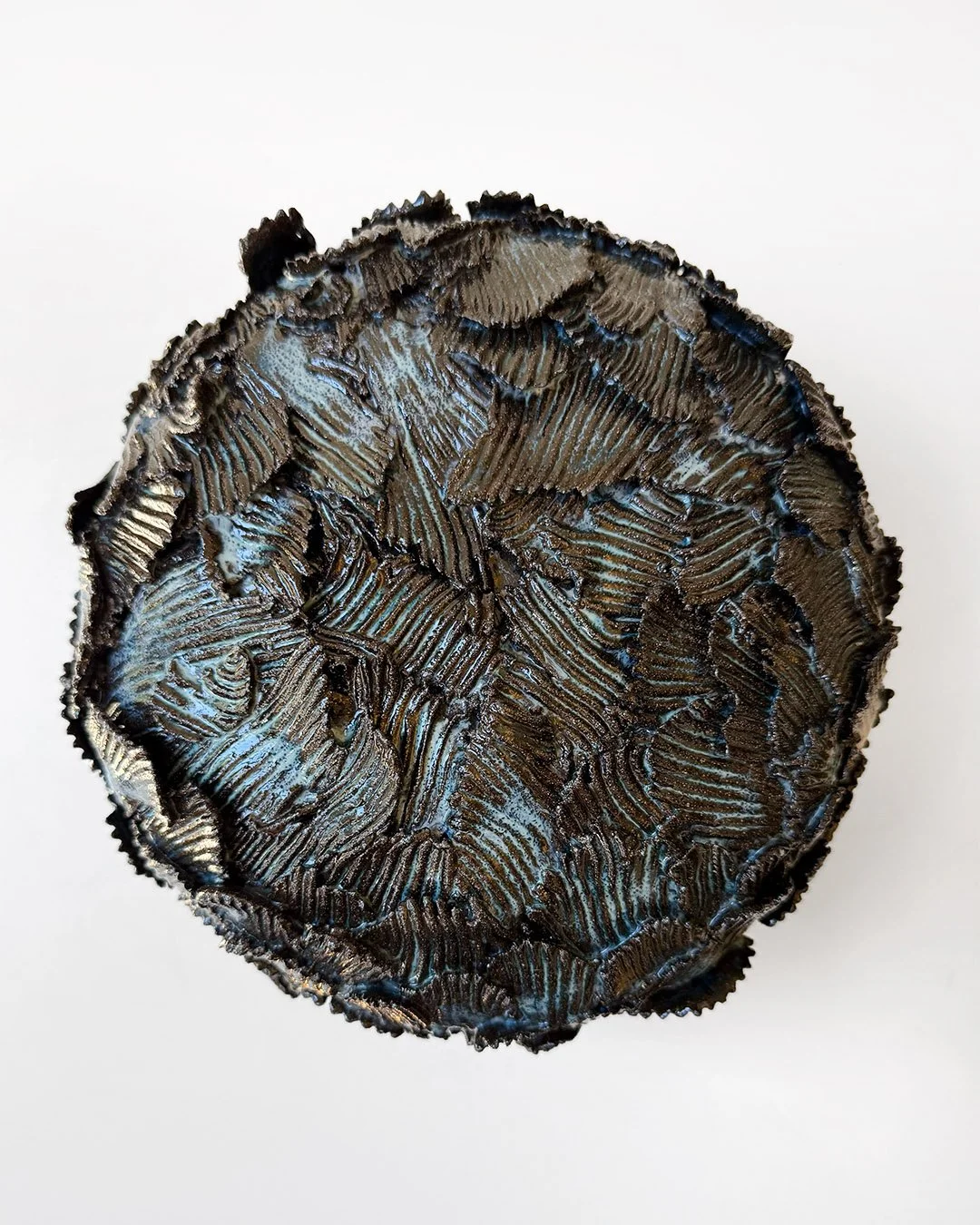
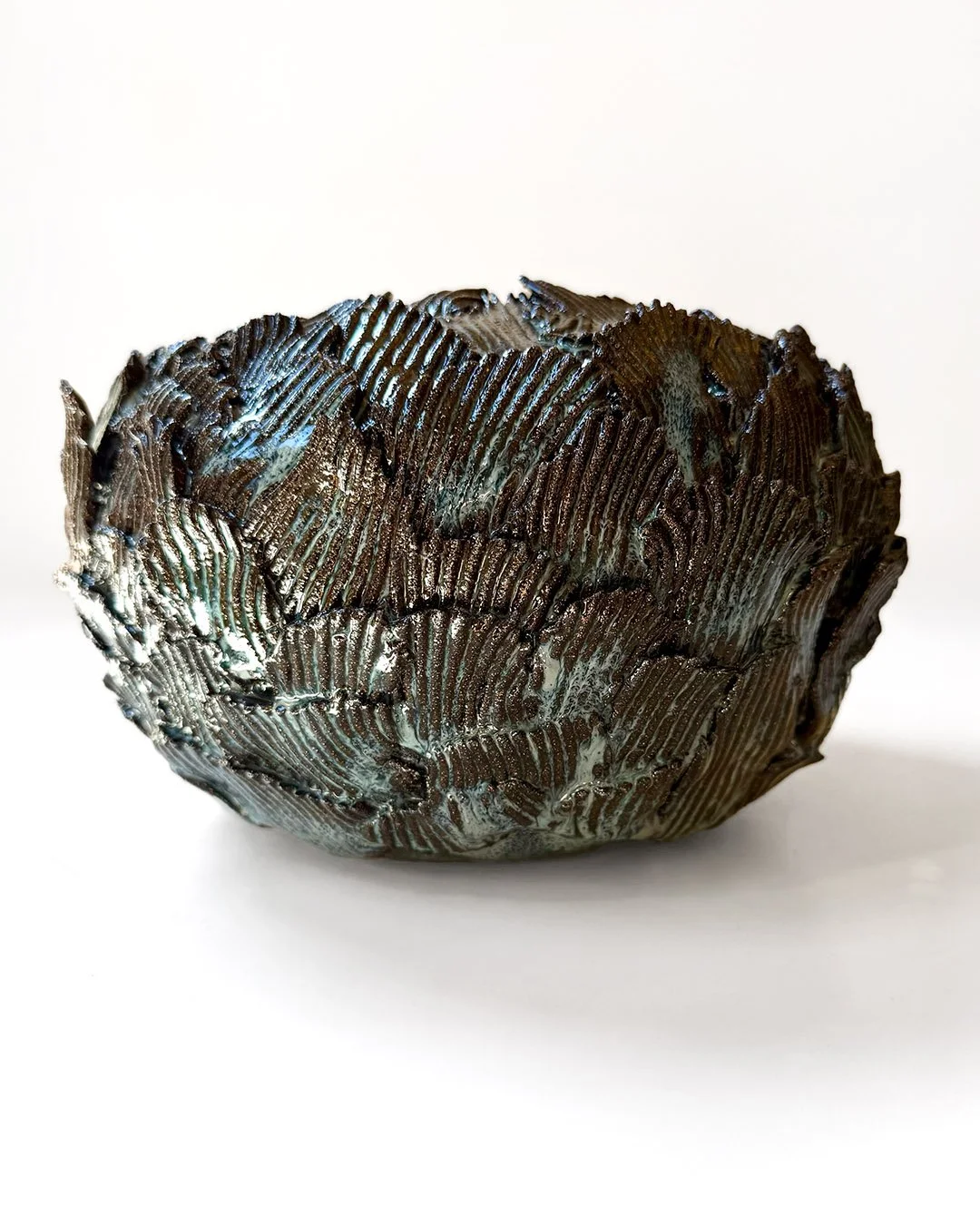
Available soon. Email with inquiries.
Travel Notes in Clay
Each place leaves its mark, stirring new gestures and reshaping how I translate experience into form.
“I was instantly attracted to the Wave vessel. The combination of organic form and sensual surface is magical. It inspires me every day.”